

Last week I interviewed Ayurvedic practitioner Shakthi Ganeshan about the Ayurvedic approach to menopause. She spoke about the emphasis on diet in Ayurveda, as well as the many benefits of doing a cleanse.
My introduction to Ayurvedic cleanses was in India many years ago, when I did a panchakarma at a retreat center in the south of the country. It was a two-week endeavor that involved a special diet, herbs, daily massage, drinking herbed ghee, tons of rest, and purgation (a day of diarrhea, sorry to be graphic). That was a formative experience for me as a healthcare practitioner, and a story for another newsletter!
It’s recommended to do cleanses at least once a year, usually at the turn of the season. How auspicious to be reminded of this at the end of Summer as we transition into Fall.
An Ayurvedic cleanse is a significant undertaking, with multiple components to it beyond just having a strict diet. It’s very different from the fad cleanses you might be familiar with. As Shakthi explained in our conversation, it’s important to have guidance from an Ayurvedic practitioner when employing these practices.
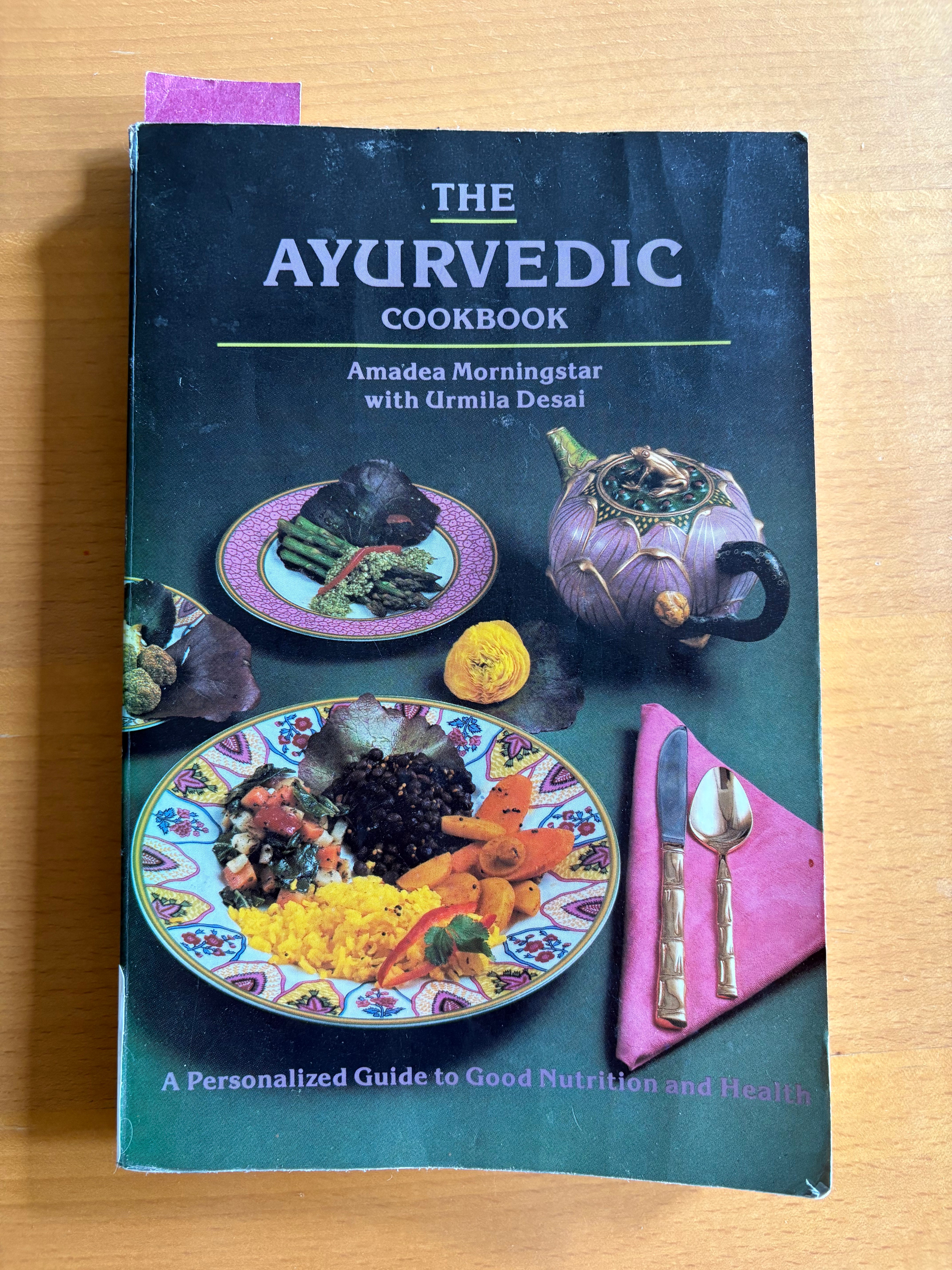
However, firestarter, independent Aries that I am, I decided to go ad-hoc. I dusted off my Ayurvedic cookbook and spent three days eating only kitchari (a kind of Indian porridge made from rice and mung beans), resting a lot, drinking tons of water, and eating dinner before 7pm. I also ate some fruit and seeds, and a little coffee each morning.
While this was not a full cleanse, and was more of a cleansing diet trial, I found it really beneficial. I would like to do a “real” cleanse guided by a practitioner soon. This was a great way to dip my toe in and get a sense of what kind of commitment a cleanse requires, and how I might feel during it. Below are a few takeaways from my 3-day experiment.
Some Foods Are Addictive
I could feel the withdrawal symptoms from sugar and carbs almost immediately. I got pronounced energy crashes and strong sugar cravings. When these crashes happened, I tried to rest as much as possible. The experience illuminated how addictive some foods are and made me want to avoid those foods more in my day to day.
Sleep is Medicine
Without the sugar and other unhealthy carbs to keep me going, I crashed hard and early. The first night I slept 10 hours. And I really needed it. Not just due to the withdrawal symptoms but on a deeper level. Without the quick fixes that stave off fatigue, I was able to feel the exhaustion that was underneath them. My body wanted sleep and I had no choice but to rest. I felt incredible the next day.
The Cleanse Applies to Emotions and Spiritual Practice
Ayurvedic cleanses are holistic. They are not just for the body, but also for emotional and spiritual wellbeing. I felt this. I had more mental clarity because the question of food had become radically simplified. It reminds me of how people on GLP-1’s talk about a reduction in food noise. I also experienced a reduction in food noise. I already knew what I was eating for breakfast lunch and dinner, and I prepared it each morning in one go. That freed up a lot of mental space for me, and that led to more clarity in my meditation practice and a freer emotional state.
Kitchari as Answered Prayer
Starting about a year ago, before I eat I say a gratitude prayer for my food: “Thank you for this food. May it nourish my body and give me energy for my sadhana. May it give me good health and no bad health. Om shanti shanti shanti.” I say this even when I’m eating something unhealthy. And when I do, I can feel something in me that knows this food isn’t good for me. I still eat the food, but in that moment I believe a course-correction seed is being planted.
It’s as if the prayer marinates in me over time, shifting something at the unconscious level that will guide me toward the very thing I’m praying for. That shift, I believe, guides me toward healthier choices. It has nothing to do with shame, guilt, or getting a flatter stomach. It’s about love and care for my body and devotion to my spiritual practice. When Shakthi spoke about cleanses I was inspired to try one. The prayers had laid a foundation for that. In that way, the cleanse is an answered prayer, because it is delivering to me the food that truly does nourish my body, unlike the food that may have been in front of me when I said the prayer.
If you would like to learn more about Ayurvedic cleanses, reach out to Shakthi. I’m also including Shakthi’s recommended resources below.
Dr. Sarita Shrestha — an Ayurvedic teacher. Her website is drsaritashrestha.com
David Frawley — Ayurvedic/Vedic scholar and author, founder of the American Institute of Vedic Studies: vedanet.com
Vasant Lad — Ayurvedic physician and educator, founder of The Ayurvedic Institute: ayurveda.com
Upcoming Events
HPV and Cervical Health Workshop
In this intimate workshop in Williamsburg, Brooklyn, I’ll answer frequently asked questions about abnormal paps and offer tips for supplements, nutrition, and lifestyle changes that help prevent or clear HPV. I’ll also lead a guided meditation for cervical health and healing. The workshop is free but space is limited and RSVP is required. RSVP to hello@lifted-lotus.com
Tuesday, September 15th, 6:00-7:30pm
The Lifted Lotus, 202 N 4th Street, Ground Floor, BK NY 11211
About Wise Body Women’s Health
Wise Body Women’s Health is an integrative gynecology practice in New York City founded by Jane Riccobono, CNM, WHNP. Appointments blend evidence-based medical care with attention to the body’s deeper signals—intuition, emotion, and the wisdom often dismissed by conventional medicine. Whether you’re navigating perimenopause, chronic symptoms, or simply want a provider who sees the whole picture, Wise Body offers unhurried, whole-person care. We are currently accepting new patients for both telehealth (anywhere in New York State) and in-person visits in NYC. Learn more here.
Kitchari is my go to post journey meal. Cooking it is part of my preparation. Love hearing what you learned from this 3 day ritual. Made me want to listen to my body even further… 🙏